You’ve tried so many times. Each morning you wake up with determination, promising yourself today will be different. Today you won’t reach for that drink, that pill, that behavior that’s slowly consuming your life. You tell yourself you’re strong enough to do this on your own.
But by evening, or maybe by afternoon, or perhaps even before noon, you find yourself right back where you started. The shame settles in like a heavy blanket. You wonder what’s wrong with you. Why can’t you just stop? Other people seem to have willpower. Why don’t you?
Here’s what you need to know, and please really hear this: trying to overcome addiction alone is one of the hardest things anyone can attempt. The fact that you’ve tried, over and over, doesn’t mean you’re weak. It means you’re human, dealing with something that requires more support than willpower alone can provide.
The Weight of Going It Alone
Maybe you’ve been hiding your struggle for months or even years. You’ve become skilled at managing appearances, making excuses, hiding evidence. You’ve told yourself you don’t need help because admitting you need help feels like admitting defeat.
Or perhaps you’ve opened up to a few people close to you. They’ve offered support, but they don’t really understand what it’s like. They mean well when they say “just stop” or “you need to be stronger,” but those words land like stones. If only it were that simple.
The isolation of addiction is crushing. You feel alone even in a crowded room. You carry guilt about the impact on your relationships, your work, your health. You’ve made promises to people you love and broken them, not because you don’t care, but because addiction is more powerful than good intentions.
You might have hit what people call “rock bottom,” or maybe you’re afraid of how much further down you could go. Either way, you’re exhausted. Exhausted from the cycle. Exhausted from the secrecy. Exhausted from fighting this battle by yourself.
What Makes Medical Support Different
Here’s the truth about addiction that most people don’t understand: it’s not a moral failing or a lack of willpower. Addiction changes your brain chemistry. It affects the parts of your brain responsible for decision-making, impulse control, and experiencing pleasure. This isn’t an excuse. It’s biology.
Because addiction is a medical condition rooted in brain chemistry, medical treatment can be transformative. A psychiatrist who specializes in addiction medicine understands the neurological and biological aspects of what you’re facing. They know how substances affect your brain and body, and they know how to support your recovery with evidence-based medical interventions.
This is where medication-based support comes in. You might have heard about medications that can help with addiction recovery and wondered if they actually work. The answer is yes. Medications for addiction treatment can reduce cravings, ease withdrawal symptoms, block the effects of substances, and help stabilize your brain chemistry so you can focus on building a life in recovery.
Medical support also means having someone who can monitor your physical health, address co-occurring mental health conditions like depression or anxiety that often accompany addiction, and adjust your treatment as your needs change. This comprehensive approach treats the whole person, not just the addiction.
Understanding Harm Reduction
Maybe you’ve tried to quit cold turkey before and it didn’t work. Or maybe the idea of never using again feels so overwhelming that it keeps you from seeking help at all. This is where harm reduction becomes important.
Harm reduction is a compassionate approach that meets you where you are. It recognizes that recovery looks different for everyone and that any positive change, no matter how small, is worth supporting. The goal isn’t perfection. The goal is progress toward a healthier, safer life.
In a harm reduction framework, you and your psychiatrist work together to reduce the negative impacts of addiction on your life. Maybe that means cutting back on use rather than stopping completely at first. Maybe it means switching to safer methods or circumstances. Maybe it means managing withdrawal symptoms so you can stabilize before attempting abstinence.
Harm reduction removes the all-or-nothing pressure that makes so many people avoid treatment. You don’t have to promise you’ll never use again to get help. You just have to be willing to work toward reducing harm in your life. For many people, harm reduction is the bridge that eventually leads to full recovery. For others, it’s a sustainable approach that significantly improves their quality of life and safety.
The beauty of harm reduction is that it honors your autonomy while providing medical expertise and support. Your psychiatrist helps you understand your options, the potential outcomes of different choices, and supports whatever progress you’re ready to make.
The Shame That Keeps Us Silent
One of the biggest barriers to seeking addiction treatment is shame. There’s still stigma around addiction, even though millions of people struggle with it. You might worry about being labeled an addict, about what people will think, about confirming your worst fears about yourself.
Let’s address this head-on: seeking medical help for addiction is one of the bravest things you can do. It takes more courage to ask for support than to keep pretending everything’s fine. The shame you feel isn’t a reflection of who you are. It’s a symptom of the isolation addiction creates.
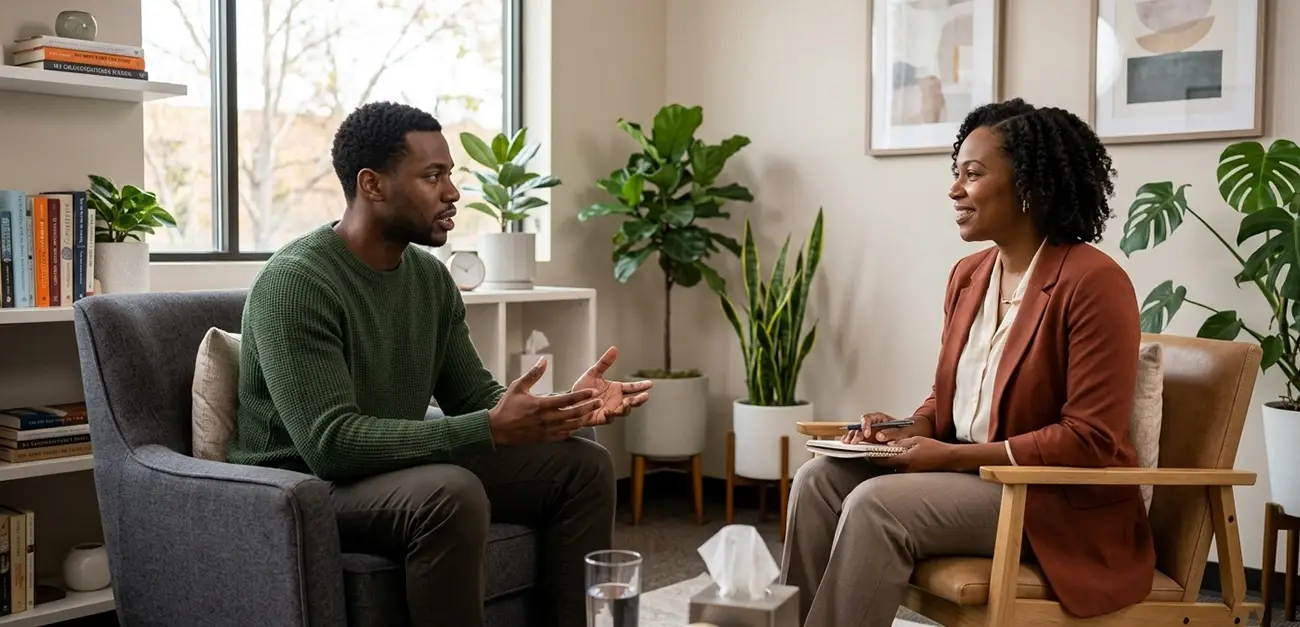
A psychiatrist who specializes in addiction medicine creates a safe, judgment-free space where you can be completely honest. They understand that addiction is a medical condition, not a moral failure. Nothing you share will shock them or make them think less of you. In fact, honesty is the foundation of effective treatment. The things you’ve been most ashamed to say out loud are often the exact things that need to be addressed.
Breaking the silence breaks the power shame has over you. When you start talking about your addiction with a medical professional who understands, something shifts. You realize you’re not uniquely broken. You’re not the worst person who ever lived. You’re someone dealing with a treatable medical condition, and there’s hope.
What Medication-Based Treatment Actually Looks Like
If you’re unfamiliar with medication-assisted treatment for addiction, you might have questions or concerns. Some people worry that taking medication for addiction is just replacing one substance with another. This is a common misconception, and it’s important to understand the difference.
Medications used in addiction treatment are prescribed and monitored by a physician. They’re designed to normalize brain chemistry that’s been disrupted by addiction, not to create a new dependence. These medications help stabilize you so you can engage in recovery work, rebuild your life, and address underlying issues.
Your psychiatrist will conduct a thorough evaluation to understand your specific situation. What substances are you using? How long have you been struggling? What have you tried before? What other health concerns do you have? This comprehensive assessment guides the development of a personalized treatment plan.
Medication options vary depending on the type of addiction. Some medications reduce cravings and make it easier to resist using. Others block the euphoric effects of substances, removing the reward that drives continued use. Still others ease the physical discomfort of withdrawal, making it safer and more manageable to stop using.
Throughout your treatment, your psychiatrist monitors your progress, adjusts medications as needed, provides education about addiction and recovery, addresses any side effects or concerns, and supports you through the ups and downs of the recovery process.

You Don't Have to Want It Perfectly to Start
Maybe you’re reading this and thinking, “But I’m not sure I’m ready to quit completely.” Or “I want to stop, but I’m scared of life without it.” These feelings are completely normal, and they don’t disqualify you from getting help.
You don’t have to have everything figured out before reaching out for medical support. You don’t have to be 100% committed to never using again. You just have to be willing to have a conversation about what’s happening and explore what change might look like for you.
Many people start addiction treatment feeling ambivalent. They want things to be different, but they’re also terrified of what that difference might mean. A psychiatrist trained in addiction medicine and harm reduction meets you exactly where you are, not where you think you should be. They help you explore your options without pressure or judgment.
Sometimes just having an honest conversation with a medical professional about your addiction is the first step toward something bigger. You don’t have to leap. You just have to take one small step forward.
Breaking Free Is Possible
Right now, it might feel impossible to imagine life without your addiction. It’s been your companion, your coping mechanism, your escape for so long. Who would you even be without it?
Here’s what people in recovery will tell you: life gets better. Not perfect, but better. The fog lifts. Relationships heal. You rediscover parts of yourself you’d forgotten existed. You learn to handle stress and pain without numbing yourself. You build a life that doesn’t require an escape plan.
Medical treatment for addiction provides the support, tools, and expertise to make that possible. Recovery is hard work, yes. But it’s the kind of hard work that gives back instead of taking away.
At IHR Clinic, we understand that reaching out for help with addiction takes tremendous courage. Dr. Castineira, our psychiatrist who is board-certified in Addiction Medicine, specializes in medication-based treatment and harm reduction approaches. We create a safe, non-judgmental environment where you can be honest about your struggles and receive the medical support you need.
You’ve been fighting alone for long enough. You’ve proven your strength by trying, over and over, to overcome this on your own. Now it’s time to let medical expertise help you find a path forward that actually works.
Take the First Step Today
You don’t have to have all the answers. You don’t have to be certain about every aspect of recovery. You just need to be willing to reach out and start a conversation about your options.
Contact IHR Clinic today to learn more about our medication-based addiction treatment and harm reduction services.
Call us at: (301) 583-5195
Your story doesn’t end here. With the right medical support, recovery is possible. Let’s take that first step together.